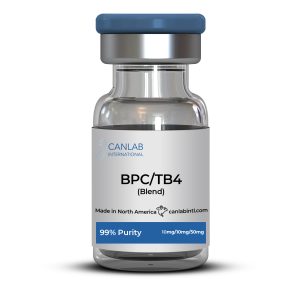

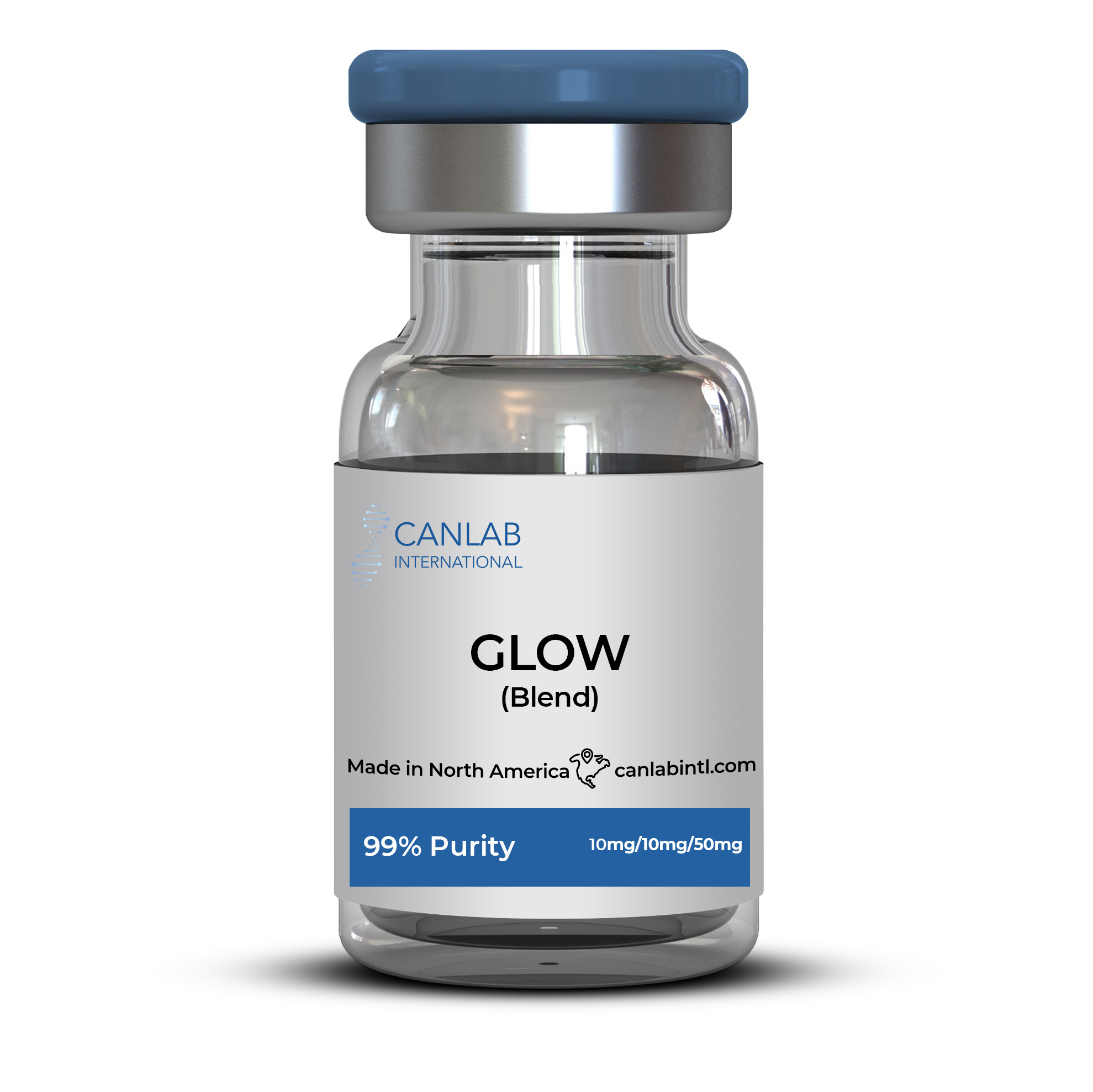
GLOW – BPC-157 (10mg) + TB-500 (10mg) + GHK-Cu (50mg) – Blend
$300.00
- Lyophilized peptides should be reconstituted using proper aseptic laboratory technique.
- Reconstitution must be performed using Canlab-supplied Bacteriostatic Water and handled in accordance with generally accepted research practices.
- Warranty related to reconstitution, sterility or material integrity applies only when Canlab Bacteriostatic Water is used.
- Use of third-party diluents or deviation from the provided handling guidance voids any applicable warranty.
For full handling instructions and limitations, see the Peptide Reconstitution section in our Product Warranty Policy Page →
Description
Mechanisms and Synergy
- BPC-157: A stable gastric pentadecapeptide shown to accelerate angiogenesis, fibroblast migration, and epithelial repair via modulation of VEGFR2, FAK-paxillin pathways, and nitric oxide signaling. It enhances tendon, muscle, and intestinal healing in preclinical models.
- TB-500 (Thymosin Beta-4): A 43-amino acid actin-sequestering peptide that promotes tissue regeneration through cell migration, angiogenesis (via VEGF upregulation), and anti-inflammatory effects. It mobilizes progenitor cells and accelerates repair of myocardium, dermis, and connective tissue.
- GHK-Cu: A copper-binding tripeptide (glycyl-L-histidyl-L-lysine) that stimulates wound healing, collagen synthesis, and hair growth. It modulates gene expression linked to tissue remodeling and exerts antioxidant and anti-inflammatory effects through TGF-β and metalloproteinase regulation.
Synergistic Benefits:
Combined research with BPC-157, TB-500, and GHK-Cu may offer synergistic tissue regeneration and anti-inflammatory benefits by concurrently activating multiple repair pathways:
- Angiogenesis: TB-500 and BPC-157 both promote VEGF-mediated vascularization, while GHK-Cu enhances endothelial cell proliferation.
- Cellular migration and matrix remodeling: TB-500 improves actin polymerization and cellular motility; GHK-Cu and BPC-157 stimulate ECM production and fibroblast activity.
- Anti-inflammatory modulation: All three reduce oxidative stress and cytokine-driven inflammation, potentially improving healing in chronic or complex injuries.
This multifactorial synergy suggests enhanced efficacy in musculoskeletal, dermatological, and post-surgical recovery applications.
Additional Information
Benefits
Please review the complete product description and available supporting documentation for product-specific research information.
Mechanism of Action
Refer to the product description, certificate of analysis and applicable published research for product-specific information. No medical or therapeutic claims are made.